
Trusted. Nonprofit. Since 1978.
Trusted. Nonprofit. Since 1978.
Trusted. Nonprofit. Since 1978.
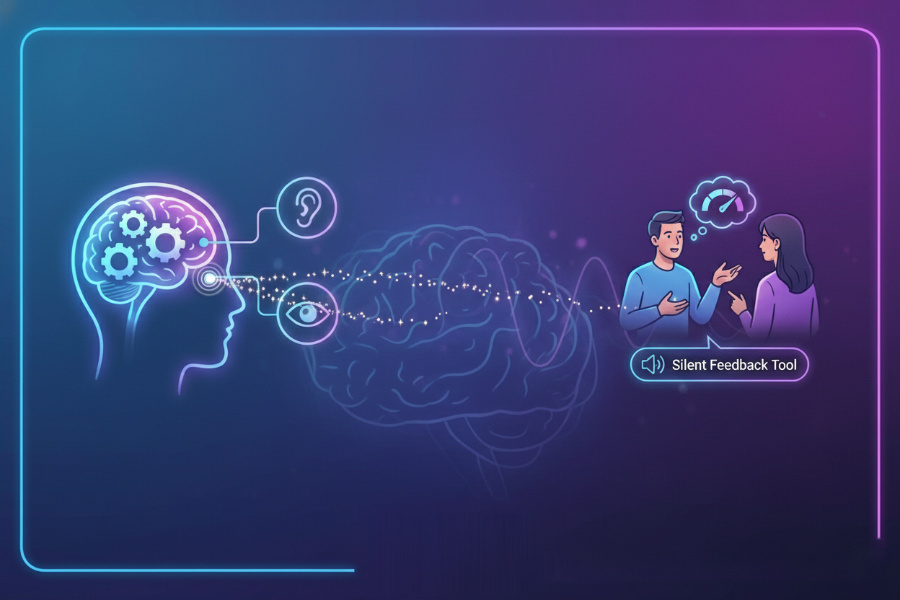
A new Concordia University study finds that blinking is a direct signal of how hard your brain is working to process information. When you’re focused, especially on listening, your eyes dry out because your brain is actively suppressing the blink reflex.
Why ...
Your brain health isn’t a matter of luck. New research from Mass General Brigham identifies 17 ways to protect your cognitive future.
Why it matters
Daily choices dictate your healthspan. You can influence these outcomes. Modifiable ...

Did you know your hearing could affect your risk of falling? A recent study shows that hearing loss can significantly raise the likelihood of trips and falls, especially as we age.
Why it matters
Falls pose a serious health risk for ...
Forty UK experts urged the UK government to overhaul its dementia prevention approach. Their roadmap is crucial for global health, including the US. The Nottingham Consensus delivered 56 policy recommendations to translate research ...
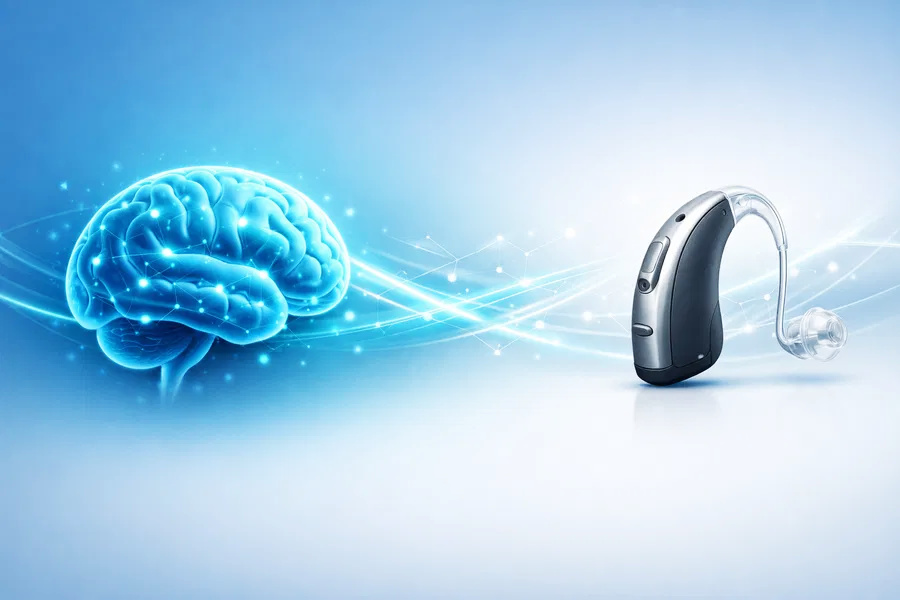
A seven-year study of 2,777 older Australians reveals a nuanced finding about hearing aids and brain health: while the devices reduced dementia risk by a third, they did not immediately improve memory and thinking test scores. This suggests brain protection ...
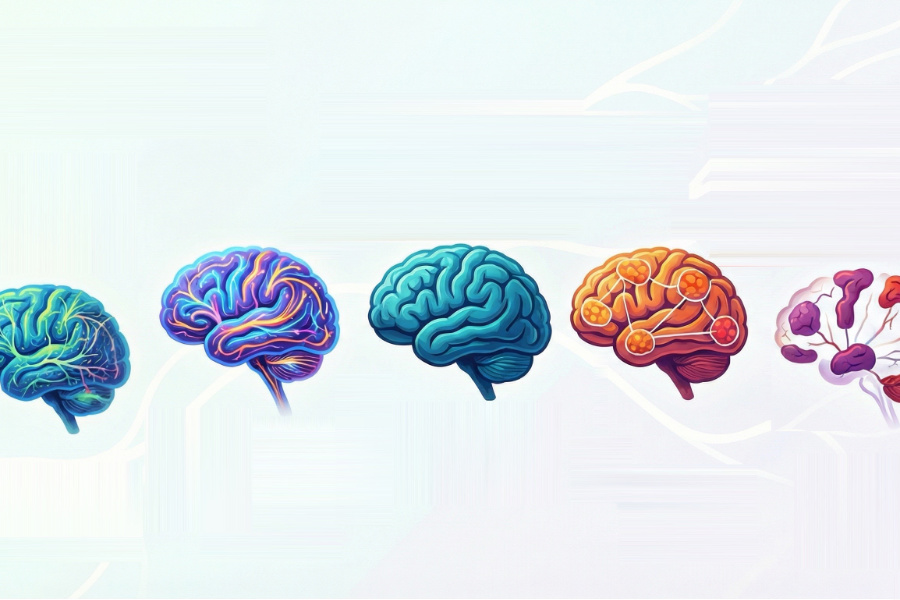
Neuroscientists at Cambridge identified five "major epochs" of brain structure over a human lifetime. These phases—from childhood through late aging—are separated by four pivotal turning points where neural connections fundamentally reconfigure. ...

Forget what you knew about when mammals developed modern hearing. New research pushes that milestone back 50 million years, to a creature that lived 250 million years ago, just as the age of dinosaurs began.
Why ...

Researchers identified 211 distinct genetic mutations linked to childhood deafness in Algeria, Morocco, Mauritania, and Jordan, with over a third being new. The breakthrough ends decades of diagnostic uncertainty for families wondering if their deaf ...
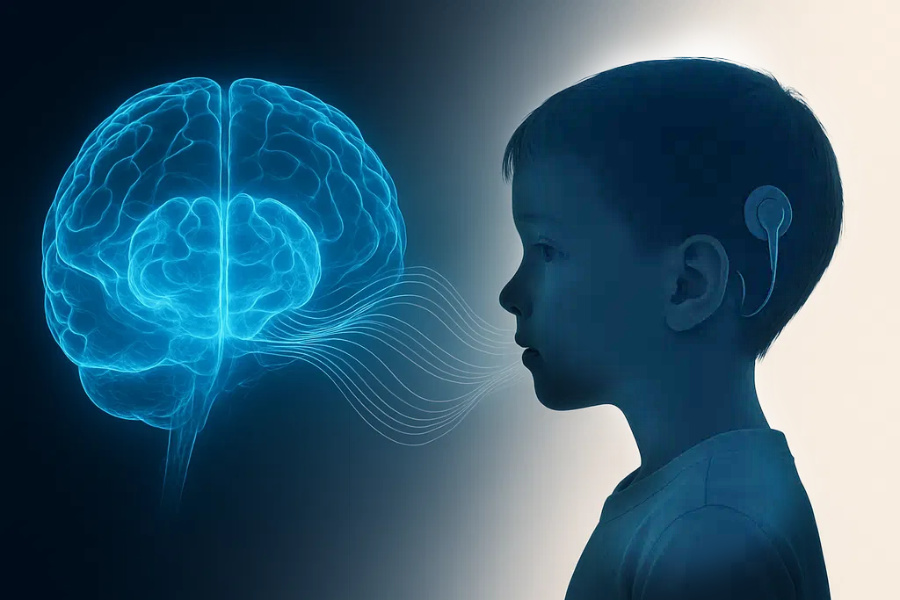
Researchers at Chicago's Lurie Children's Hospital created a new AI tool that predicts with 92% accuracy which deaf children will struggle with speech after cochlear implants before surgery. It reads pre-surgery brain scans using AI. The research, ...

Sertoma Speech & Hearing Centers
is a 501(c)(3). EIN: 36-2882864.
© 2024, Sertoma Speech & Hearing Centers

Professional Services
Contact Us
Crest Hill
P 630-633-5060
F 630-633-5064
Palos Hills
P 708-599-9500
F 708-599-2791