
Trusted. Nonprofit. Since 1978.
Trusted. Nonprofit. Since 1978.
Trusted. Nonprofit. Since 1978.

As we close out 2025, we want to take a moment to thank you—our patients, families, and community—for trusting us with your care this year.
The connections you've made, the conversations you've been able to enjoy, and the confidence you've gained ...
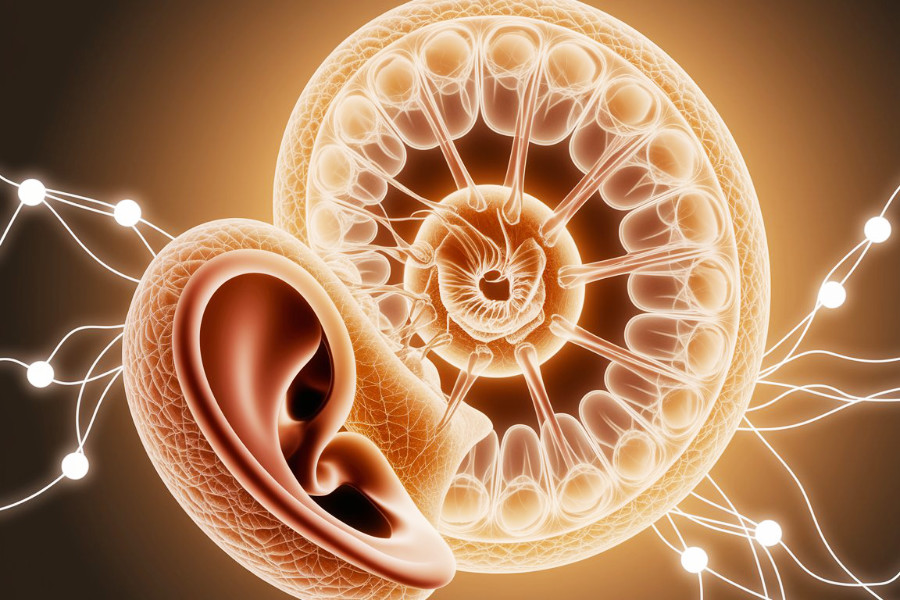
Yale physicists uncovered a new set of low-frequency mechanical “modes” in the human cochlea—the spiral-shaped organ critical for hearing. These modes reveal how the ear masterfully balances amplifying whispers and tolerating loud noises while maintaining ...

The hearing aid industry has long peddled a problematic story: "Don't worry, no one will notice." A groundbreaking 2024 study in the International Journal of Audiology reveals the damaging consequences of this approach. By treating ...

Children now spend 7.5 hours daily on screens—an all-time high. That's 52.5 hours weekly, well over the safe listening limit. Everyone talks about anxiety and depression. But hearing damage? Barely discussed.
Why ...
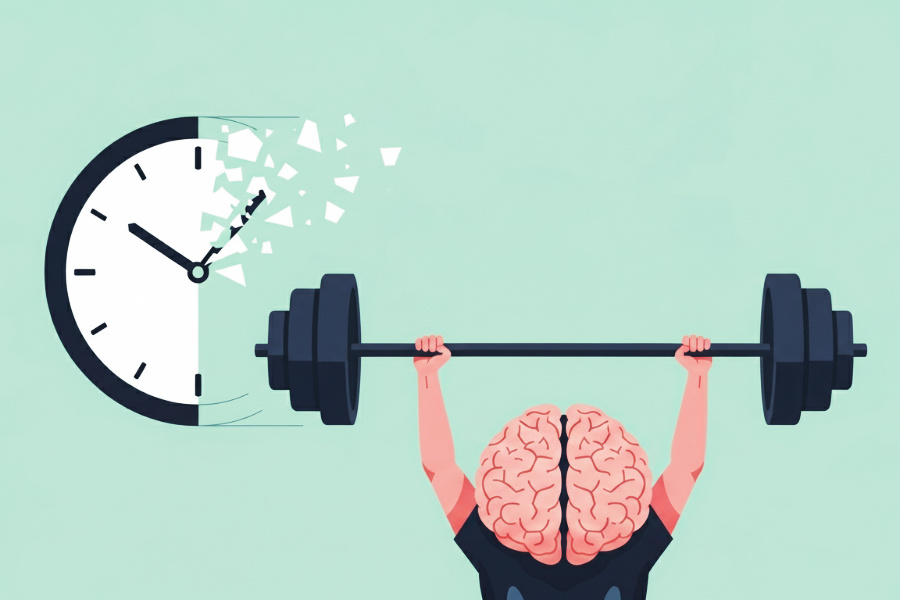
Learning a second language isn't just about navigating foreign menus: it might help your brain stay younger. Research suggests that being multilingual could slow the brain's aging process.
Why it matters
Multilingual people are half ...
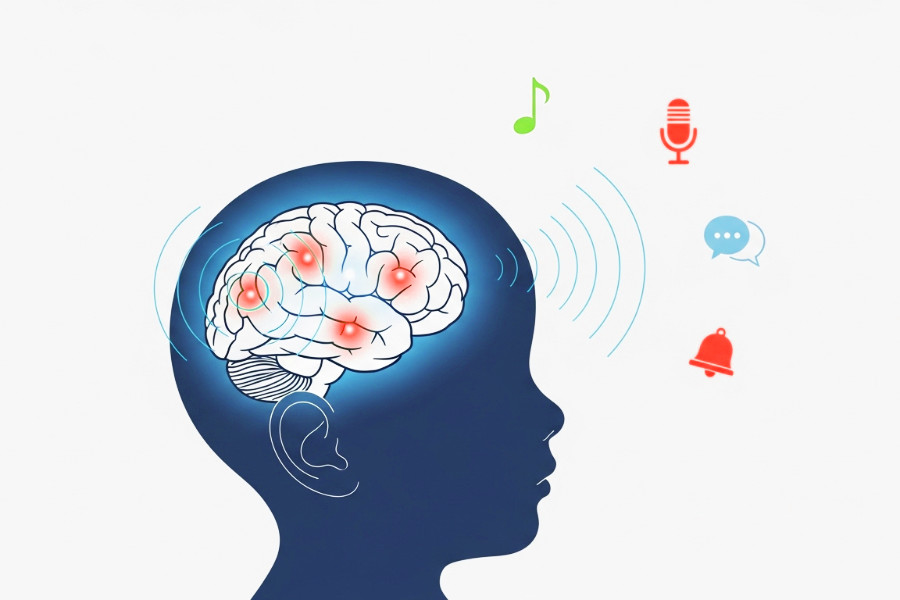
Scientists found that babies with hearing issues aren't just missing sounds; their brains develop differently. When babies are born deaf or struggle to hear, their brain's communication networks can misalign. The good news? There's a critical window ...

In a groundbreaking eight-year study, researchers uncovered a critical way to protect babies from a hidden threat: a common virus that can silently steal children's hearing. This study points to a simple newborn test that could safeguard the futures ...

Your body might be dropping hints about Parkinson's long before you notice anything's wrong. New research suggests your immune system could be sending out early warning signals decades before tremors appear, like a silent alarm system detecting something's ...

New Harvard research reveals that people with early molecular signs of Alzheimer's don't need to run marathons to protect their minds. Taking as few as 3,000 steps daily can delay cognitive decline by three years or more.
The context: ...

Sertoma Speech & Hearing Centers
is a 501(c)(3). EIN: 36-2882864.
© 2024, Sertoma Speech & Hearing Centers

Professional Services
Contact Us
Crest Hill
P 630-633-5060
F 630-633-5064
Palos Hills
P 708-599-9500
F 708-599-2791